

Unlocking Profit Potential in Forex Trading
Forex trading, short for foreign exchange trading, offers a unique opportunity to profit in a global marketplace. Traders can buy and sell currency pairs, aiming to capitalize on price fluctuations. To succeed and maximize profits, it’s essential to understand not only the basics of Forex but also the strategies and tools available. One suitable resource to consider is a forex trading profit Trading Platform QA, which can provide insights and platforms tailored for effective trading.
Understanding the Forex Market
The Forex market is the largest financial market in the world, with a daily trading volume exceeding $6 trillion. This market operates 24 hours a day, five days a week, enabling traders to engage in trading at virtually any time. To navigate this dynamic environment effectively, a trader should familiarize themselves with the fundamental aspects of Forex trading.
Key Concepts in Forex Trading
Currency Pairs
Forex trading occurs in pairs, with one currency being exchanged for another. The first currency in a pair is known as the base currency, and the second is the quote currency. For example, the EUR/USD pair indicates how many US dollars are needed to purchase one euro. Understanding which pairs to trade and their characteristics is crucial for profit maximization.
Leverage and Margin
Leverage allows traders to control larger positions than their actual capital would permit. For instance, if a broker offers 100:1 leverage, a trader can control $100,000 with just $1,000. While leverage can magnify profits, it also increases risk. Margin is the amount of money required to open a position and should be managed carefully to avoid margin calls.
Pips and Lots
A pip (percentage in point) is the smallest price movement in the Forex market and is fundamental to measuring profit and loss. Currency prices are often quoted to four decimal places, where one pip usually equals a 0.0001 change. Trades are executed in lots, which define the size of the trade. Standard lots are 100,000 units of currency, while mini lots are 10,000 units.
Trading Strategies for Profit
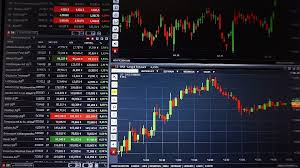
There are various trading strategies that can be employed in Forex to enhance the probability of turning a profit. Here are a few popular approaches:
Scalping
Scalping involves making numerous small trades throughout the day to capture small price movements. This strategy relies on high trading volume and can be profitable in a volatile market. Scalpers often use technical analysis tools to make rapid decisions.
Day Trading
In day trading, positions are opened and closed within the same trading day. Traders aim to profit from short-term price movements, relying heavily on intraday charts and technical indicators. This approach requires quick decision-making and discipline.
Swing Trading
Swing trading focuses on capturing price swings or trends over a period of days or weeks. Swing traders use both fundamental and technical analysis to identify potential entry and exit points. This strategy can be less stressful than day trading while still offering substantial profit potential.
Position Trading
Position trading is a long-term strategy where traders hold positions for weeks, months, or even years. This method requires a solid understanding of fundamental analysis and macroeconomic factors that influence the currency markets. Position traders aim to benefit from long-term trends rather than short-term fluctuations.
Essential Tools for Forex Trading
To optimize trading results, traders should leverage a variety of tools:
Charting Software
Trading platforms with advanced charting capabilities allow traders to view price movements, apply technical indicators, and analyze historical data. Popular platforms include MetaTrader, TradingView, and NinjaTrader.

Economic Calendars
Economic calendars provide crucial information on upcoming economic events and announcements that can impact currency prices. Traders can use these calendars to plan their strategies around potentially volatile events.
Trade Journals
Keen traders often maintain a trade journal to track their trades, strategies, and outcomes. This practice helps identify successful patterns, make necessary adjustments, and learn from mistakes.
Risk Management Techniques
Effective risk management is vital for long-term success in Forex trading. Here are some strategies to consider:
Position Sizing
Determining the proper position size based on the total account balance and risk tolerance is crucial. A common rule is to risk no more than 1-2% of the account on a single trade.
Stop-Loss Orders
Implementing stop-loss orders can help safeguard capital by automatically closing a position once a predetermined loss threshold is reached. This practice minimizes emotional decision-making during trading.
Diversification
Diversifying across different currency pairs can help spread risk. By not putting all capital into one position or strategy, traders can reduce the impact of adverse market movements on their overall portfolio.
Conclusion
Forex trading presents significant profit potential for those willing to invest the time to learn its intricacies. By understanding key concepts, employing effective trading strategies, utilizing essential tools, and implementing solid risk management practices, traders can enhance their chances of success in the ever-evolving FX market. While the path to profitability may be fraught with challenges, dedication and continuous learning can lead to substantial rewards.